
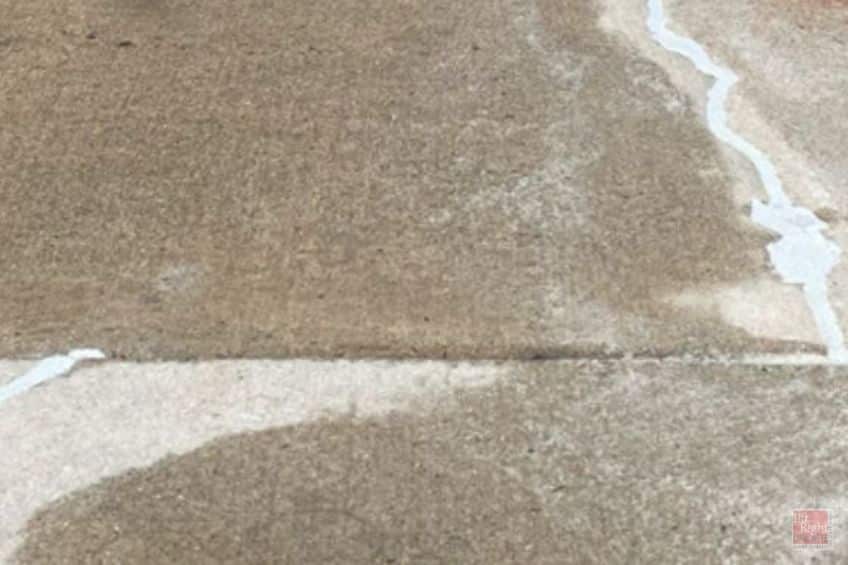
As winter transitions into spring across Utah, concrete surfaces begin revealing the effects of months of freeze and thaw activity. Driveways, sidewalks, parking lots, and foundation slabs often show widening cracks and joint separation as moisture moves through the concrete and the soil beneath it. Spring presents a strategic window for Concrete Joint & Crack Sealing, allowing property owners to address small openings before they expand into larger structural issues. For homeowners and business owners, seasonal timing plays a major role in protecting long-term concrete performance and preventing avoidable repairs.
Concrete is porous, which means water can enter small surface cracks and joints. During winter, trapped moisture freezes and expands, placing internal pressure on the surrounding material. When temperatures fluctuate above and below freezing, this cycle repeats. Over time, these repeated expansion and contraction cycles widen existing cracks and create new ones.
In Utah, late winter and early spring bring frequent daytime thawing followed by colder nights. This pattern intensifies surface stress and exposes cracking that may not have been obvious earlier in the season. Once temperatures stabilize in spring, the full extent of joint separation becomes visible.
When cracks remain unsealed, spring rain and snowmelt penetrate deeper into slabs and the supporting soil. As water moves beneath the surface, it can erode soil, create voids, and reduce load-bearing support. This often results in uneven concrete, sinking slabs, or pooling water.
For residential properties, this may appear as driveway settlement or shifting sidewalks. For commercial properties, unsealed cracks can lead to trip hazards, drainage issues, and premature pavement wear. Addressing cracks in spring through professional Concrete Joint & Crack Sealing helps prevent continued water intrusion and protects the structural support beneath the concrete.
Spring provides more stable surface temperatures, which improves the effectiveness of crack and joint sealants. When temperatures are too low, materials may not bond properly. When temperatures are too high, rapid curing can affect adhesion and flexibility.
Applying sealant during moderate spring conditions allows materials to cure correctly and form a flexible barrier that accommodates seasonal movement. This barrier prevents water from reentering joints and limits further expansion during temperature swings.
Concrete Joint & Crack Sealing is a preventive maintenance measure that helps extend the lifespan of concrete surfaces. By sealing joints before summer heat and additional moisture exposure, property owners reduce the likelihood of larger repairs later in the year.
Lift Right Concrete works with homeowners and business owners across Utah to evaluate post-winter concrete conditions and provide professional crack sealing solutions. Addressing cracks early in the season helps preserve surface integrity, maintain safe access areas, and support long-term structural stability.
Spring offers an opportunity to act before minor cracking progresses into costly damage. Working with Lift Right Concrete ensures that crack sealing is performed correctly and at the right time to protect your property throughout Utah’s changing seasons.